Custom-Coded Websites vs Templates: What Are You Actually Paying For?
Compare custom-coded websites with templates and page builders across design freedom, performance, SEO control, maintenance, integrations, cost, and scalability.
Practical guides on custom websites, performance, responsive design, accessibility, and the decisions businesses should understand before a rebuild. Written from the systems we use on real client projects.
Browse hubs
Featured guide
How to set website performance budgets for page weight, JavaScript, images, and Core Web Vitals so sites stay fast after launch.
Read the guideCompare custom-coded websites with templates and page builders across design freedom, performance, SEO control, maintenance, integrations, cost, and scalability.
Next.js combines performance, SEO, and developer experience to create websites that drive business results. Learn why it's our framework of choice.

Next.js 16.3.6 security patch, Turbopack build caching, TypeScript 7, experimental chunking, and how to test each change on a real static or hybrid project.
Most small business websites fail long before launch due to poor planning, slow performance, and misaligned strategy. Learn how to build sites that succeed from day one.
When mobile-first design turns into stripped-down laziness. How to build responsive sites that stay clear on phones and still use desktop space well.
Most designers treat content like luggage to pack after layout is done. This approach fails users who experience meaning, not design. Learn content-first methodology.
Web accessibility isn't charity or compliance theater. It's strategic advantage that expands audience, improves conversion, and strengthens brand reputation.
How to set website performance budgets for page weight, JavaScript, images, and Core Web Vitals so sites stay fast after launch.

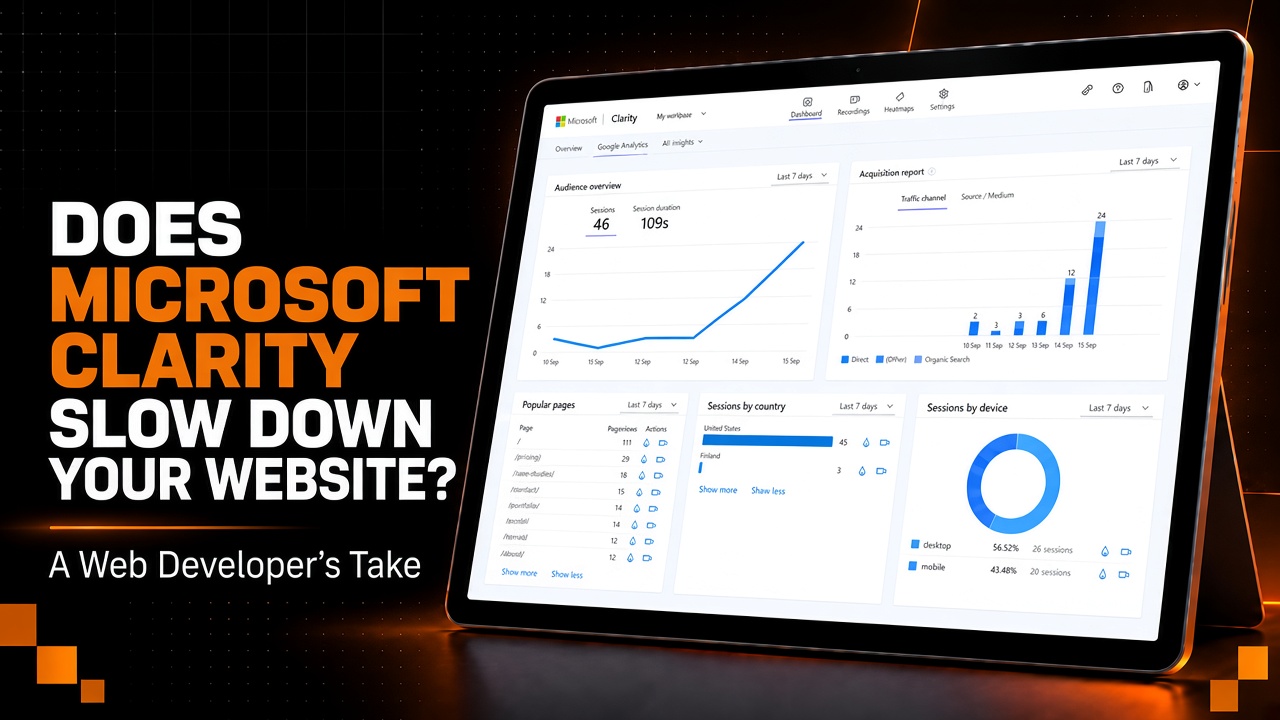
Microsoft Clarity adds JavaScript like any analytics tool, but in real projects it rarely causes meaningful slowdowns. Learn how to test performance, use heatmaps with GA and Search Console, and turn behavior data into better SEO and UX decisions.
Page speed isn't just a technical metric. It's a business metric that directly impacts your revenue, customer satisfaction, and competitive advantage.

Not getting calls from your website? Fix NAP errors, generic AI copy, weak UX, slow pages, and outdated design with this practical NC business guide.
Compare template and custom websites across cost, design flexibility, performance, SEO control, maintenance, branding, and long-term business needs.
AI website builders promise instant results but deliver generic, soulless sites. Learn why artificial intelligence can't replace human strategy in web design and what that means for your business.
Every shortcut leaves a fingerprint. Learn why cutting corners in web design damages client trust and creates technical debt that costs far more than doing it right initially.

Compare published North Carolina website costs for 2026, including Greensboro and Charlotte offers, first-year totals, and 5- and 10-year math.

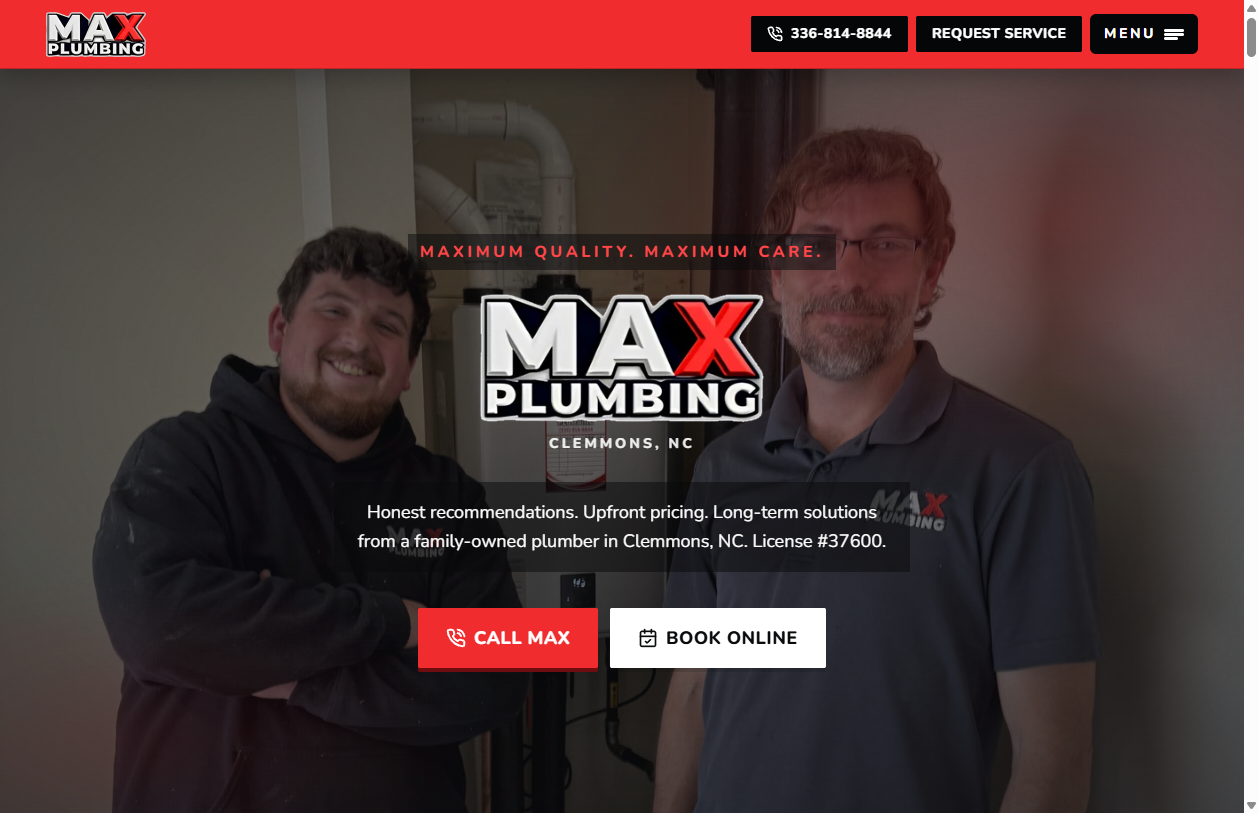
Early Search Console results after MAX Plumbing’s August 19, 2026 rebuild: +175% organic clicks, +154% impressions, and an 8× expansion in Google-visible URLs.

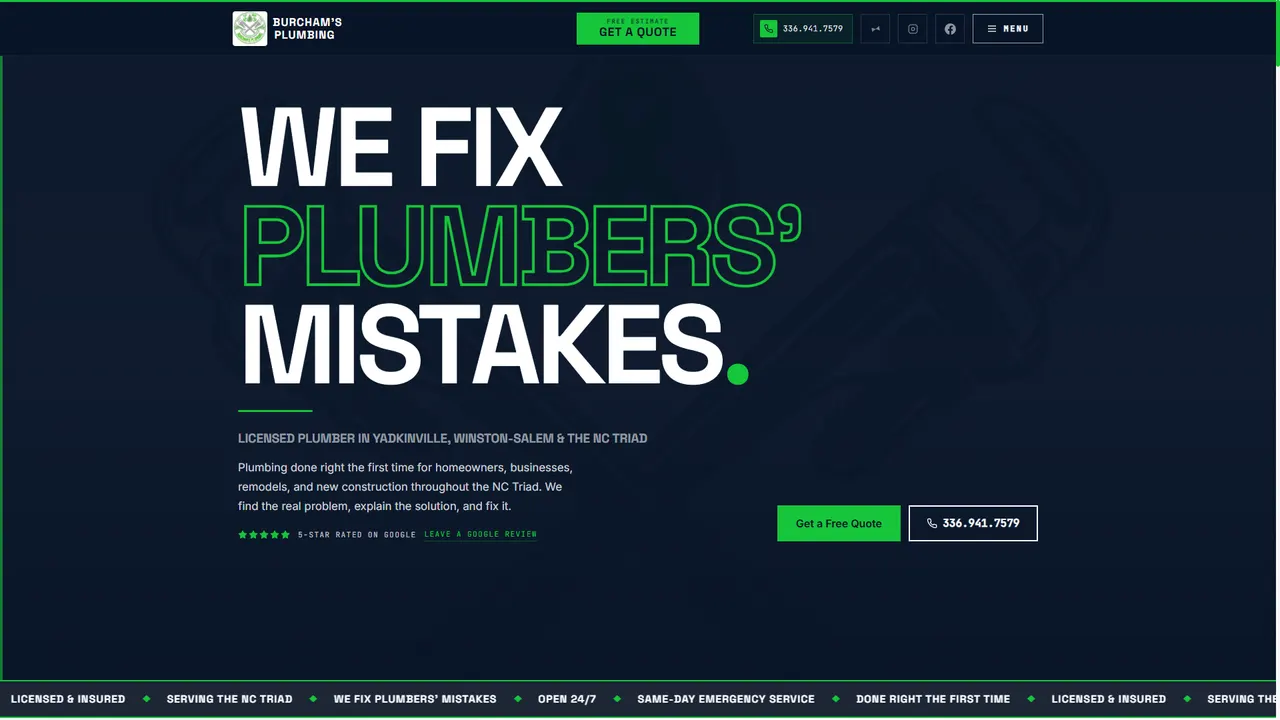
See how Koford Media rebuilt Burcham's Plumbing with custom web design, service-area architecture, local SEO, and a stronger digital foundation.

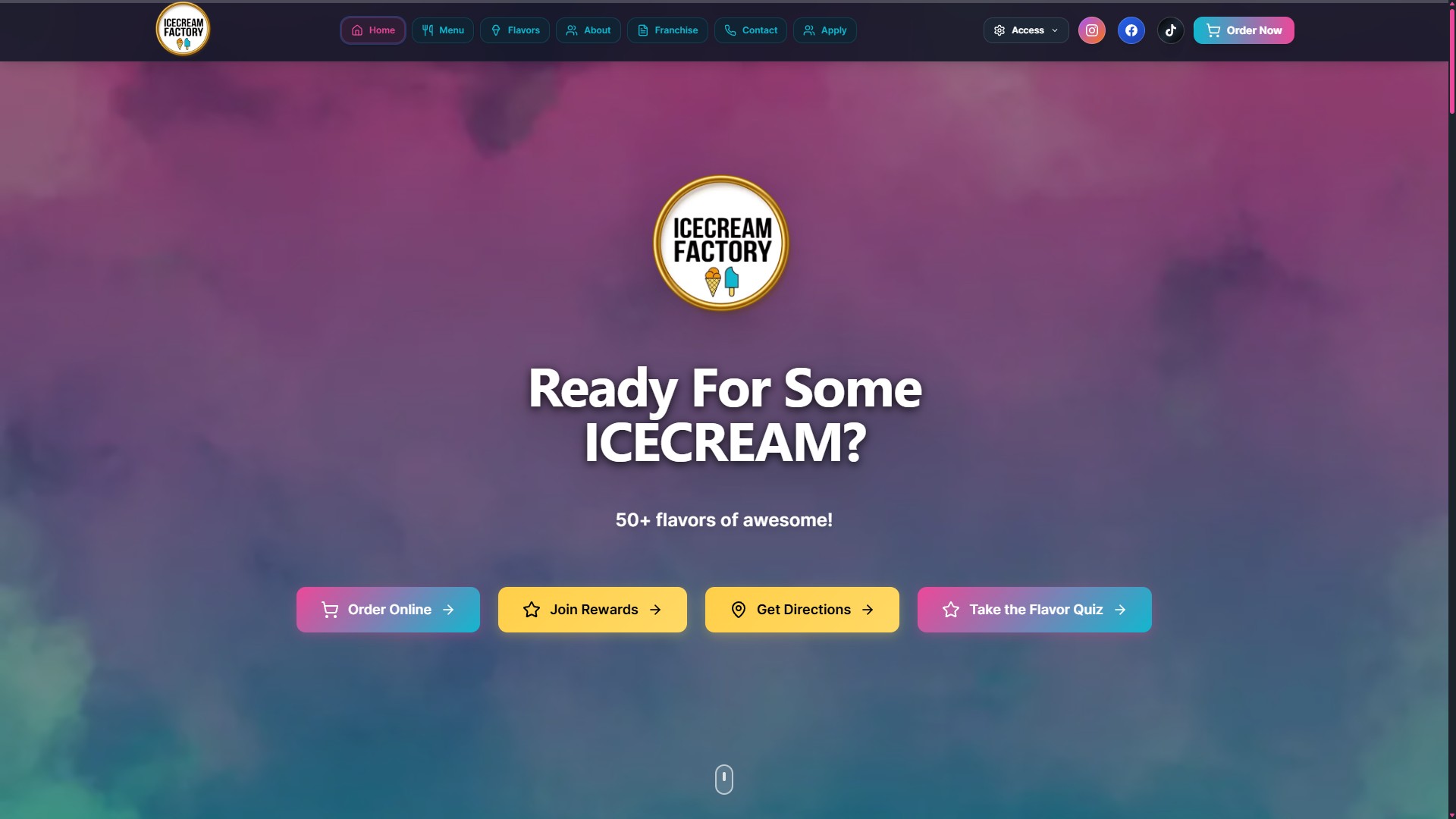
How Ice Cream Factory transitioned from a self-built Wix site to a professionally managed Next.js platform, achieving strong performance metrics and organic growth in Greensboro, NC.

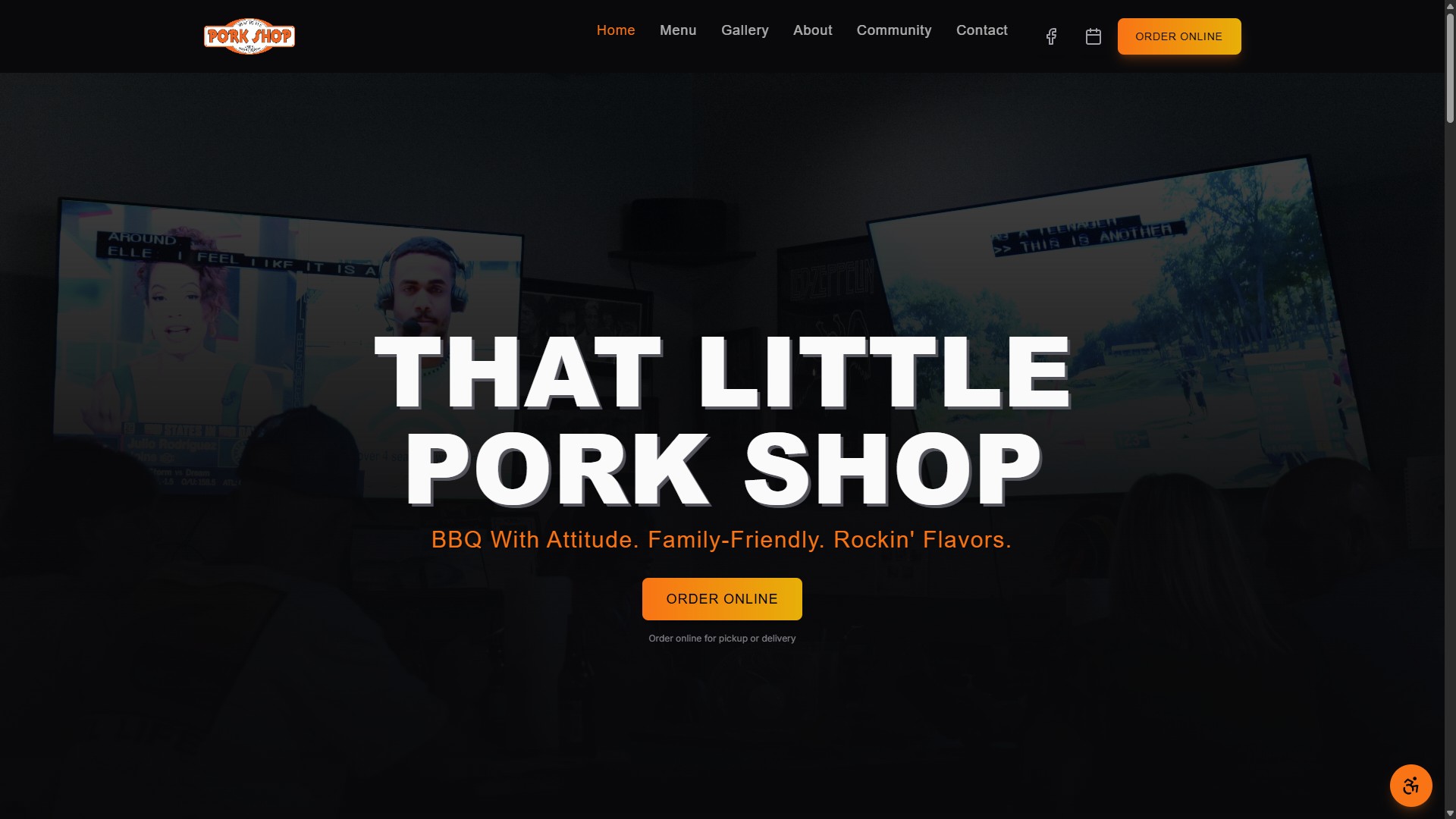
How That Little Pork Shop transformed from a broken IONOS template to a custom Next.js website that increased online visibility, improved local SEO, and converted more customers in Eden, NC.

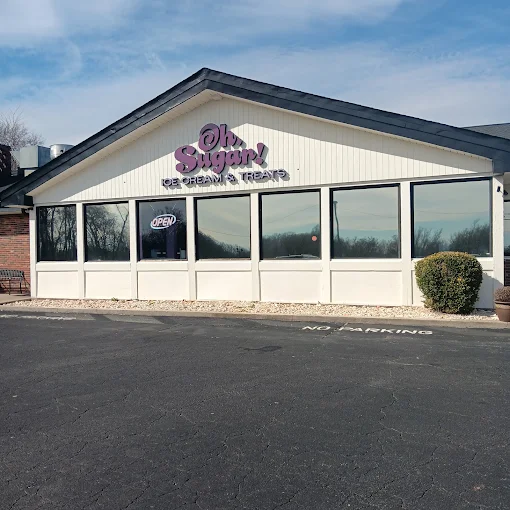
Discover how Oh Sugar transformed from a small restaurant to Eden's top-ranked restaurant destination through strategic web design, SEO optimization, and community partnerships including their 2-year anniversary fundraiser for Morehead High School.
Serverless platforms like Vercel and Netlify enable small agencies to deliver enterprise performance without enterprise infrastructure costs or complexity.
Not always. Template tools can work for simple brochure needs. Custom work matters when search visibility, conversion, brand, or integrations need to match how the business actually operates.
Design choices drive page weight. Fonts, images, animation libraries, and third-party scripts all affect Core Web Vitals. A performance budget keeps those decisions honest before launch.