SEO Fundamentals Every Business Owner Should Understand
A practical introduction to technical SEO, search intent, on-page optimization, local SEO, links, performance, content, and Search Console.
Search Engine Optimization can feel like a maze of jargon. The fundamentals are still practical: help search engines find your pages, understand what they are about, and decide when they deserve to appear for a real query.
This guide is for business owners who need a clear map, not a promise of overnight rankings.
How Search Engines Find and Understand Pages
Search systems generally:
- Crawl links and sitemaps to discover URLs
- Render and index content they can access
- Rank results for a query using many signals (relevance, usefulness, experience, links, and more)
If a page is blocked, broken, duplicated, or empty of useful content, ranking tactics will not save it.
Search Intent
Search intent is why someone typed the query. Common patterns:
- Informational (learn)
- Navigational (find a specific brand/site)
- Commercial investigation (compare)
- Transactional (buy, call, book)
Match the page to the intent. A pricing page should not pretend to be a 3,000-word research essay. An educational guide should not open with a hard sell in the first sentence.
On-Page SEO
On-page work is what you control on the URL itself.
- One clear H1 that matches the page topic
- Descriptive title and meta description (unique per page)
- Logical H2/H3 structure
- Content that answers the query with original usefulness
- Descriptive internal links (not "click here")
- Images with meaningful alt text when the image conveys information
Write for people first. Keywords help you stay on topic; stuffing them hurts readability and trust.
Technical SEO
Technical SEO makes discovery and indexing reliable:
- Fast, stable hosting and caching
- Mobile-usable layouts
- HTTPS
- Clean URL structure
- XML sitemap submitted in Search Console
- Robots rules that do not accidentally block important pages
- Avoid soft-404s and conflicting canonicals
Custom architecture can make technical work easier because you control markup and routing. See custom-coded websites vs templates when technical control is part of the decision. Technical excellence alone still does not guarantee rankings.
Internal Linking
Internal links help users and crawlers move between related pages. Link from strong pages to important service and location pages with descriptive anchors.
A site that only links through the footer wastes an opportunity to show topical relationships.
Website Performance
Page experience and Core Web Vitals can contribute to how Search evaluates results. Speed also affects conversion. Use website performance budgets so performance is a design constraint, not an afterthought.
Content
Useful content still matters. Prefer:
- Clear answers early
- Specifics over filler
- Updates when facts change
- Original observation from real work when you have it
Do not manufacture statistics. If you cite a number, source it.
Links and Authority
Links from other sites can help search engines understand reputation and relevance. Focus on earning mentions through real work, partnerships, and useful resources. Buying spammy links is a risk, not a strategy.
Local SEO
Local businesses need geographic clarity: consistent NAP, service-area truthfulness, and location-relevant pages where they make sense. For North Carolina service firms, see local SEO for service businesses in North Carolina.
Google Business Profile
Claim and maintain Google Business Profile (formerly Google My Business). Categories, services, hours, photos, and reviews should match the website. Full walkthrough: Google Business Profile SEO guide.
Google Search Console and Measurement
Search Console shows queries, pages, coverage issues, and experience reports. Pair it with analytics for conversions. Rankings without leads are vanity.
Track:
- Queries and landing pages
- Click-through rate
- Indexing problems
- Core Web Vitals (field data when available)
- Conversions from organic landing pages
What SEO Cannot Guarantee
SEO cannot honestly guarantee #1 rankings, overnight traffic, or immunity from competitors. Algorithms change. Markets change. Your offer and reputation still matter.
Anyone selling guaranteed first-page rankings for every keyword is selling certainty the platform does not provide.
What Should a Small Business Fix First?
- Fix crawl/index blockers and broken key pages
- Clarify homepage and primary service pages
- Improve titles/H1s for money pages
- Claim and clean Google Business Profile if local
- Set a basic performance budget
- Add Search Console and review monthly
- Publish useful pages you can maintain
FAQ
How long does SEO take?
Often months for meaningful organic movement, depending on competition and starting point. Technical fixes can show sooner; authority and content usually take longer.
Is SEO free?
Organic clicks are not a media buy, but the work (time, tools, development, content) is not free.
Do I need a blog to rank?
Not always. Many businesses need strong service and location pages more than a high volume of posts. Blogs help when they answer real questions with substance.
Closing
SEO fundamentals are about clarity: make pages findable, understandable, useful, and measurable. If you need help deciding what to fix first, Website Care & SEO is the Koford service path for ongoing search and site health work.

Written by
Zack Koford
View profileFounder of Koford Media. Full-stack developer focused on custom Next.js websites, technical SEO, and conversion-oriented web strategy.
Keep reading
Related articles
Content Longevity: Building Digital Assets That Outlive Algorithms
Social media rewards viral hits. Blog content rewards patience. Learn how to create evergreen assets that compound traffic and authority over years, not days.
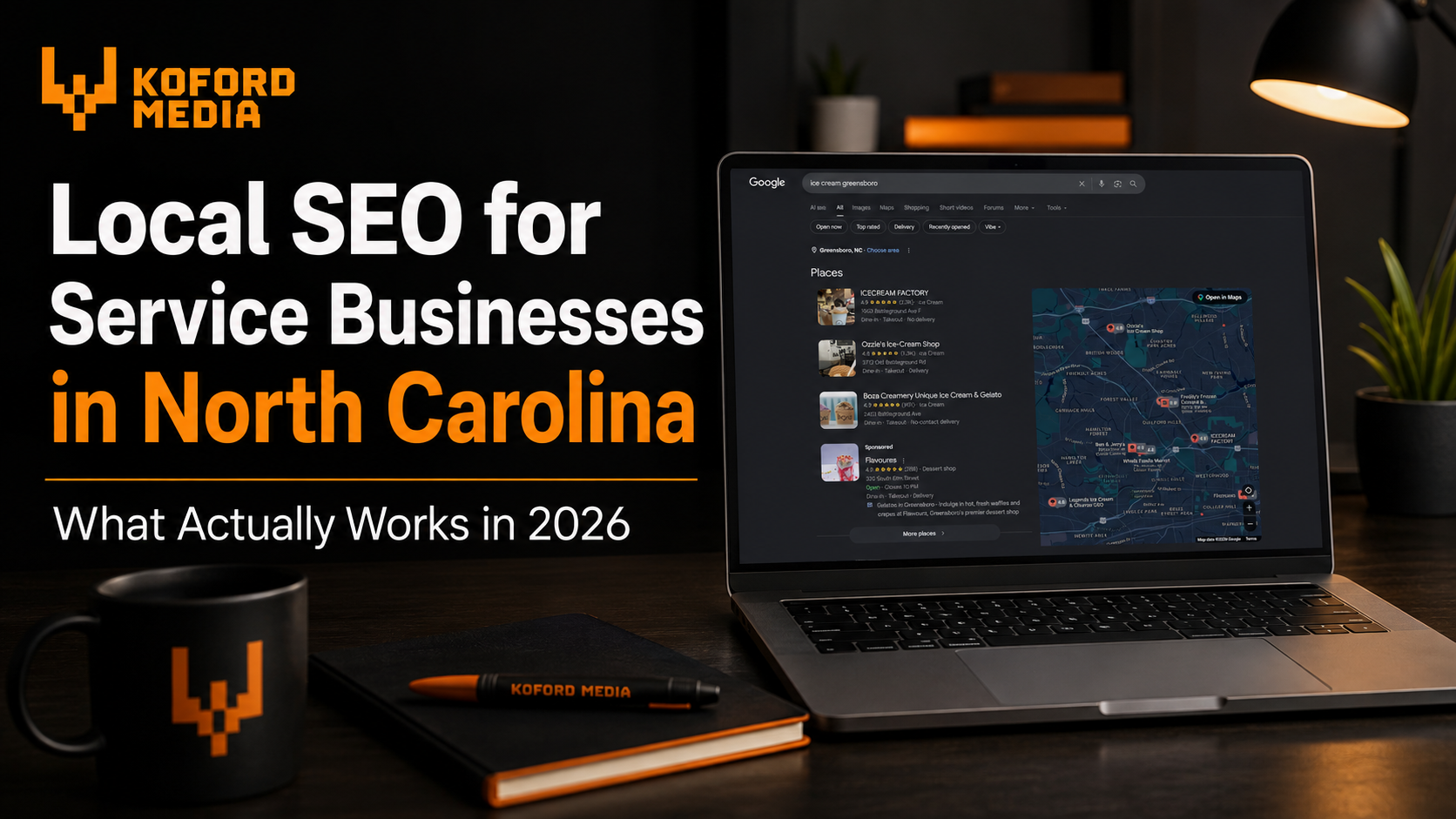
Local SEO for Service Businesses in North Carolina: What Actually Works in 2026
A practical 2026 field guide to local SEO for North Carolina service businesses, covering pages, profiles, reviews, measurement, links, and AI search.
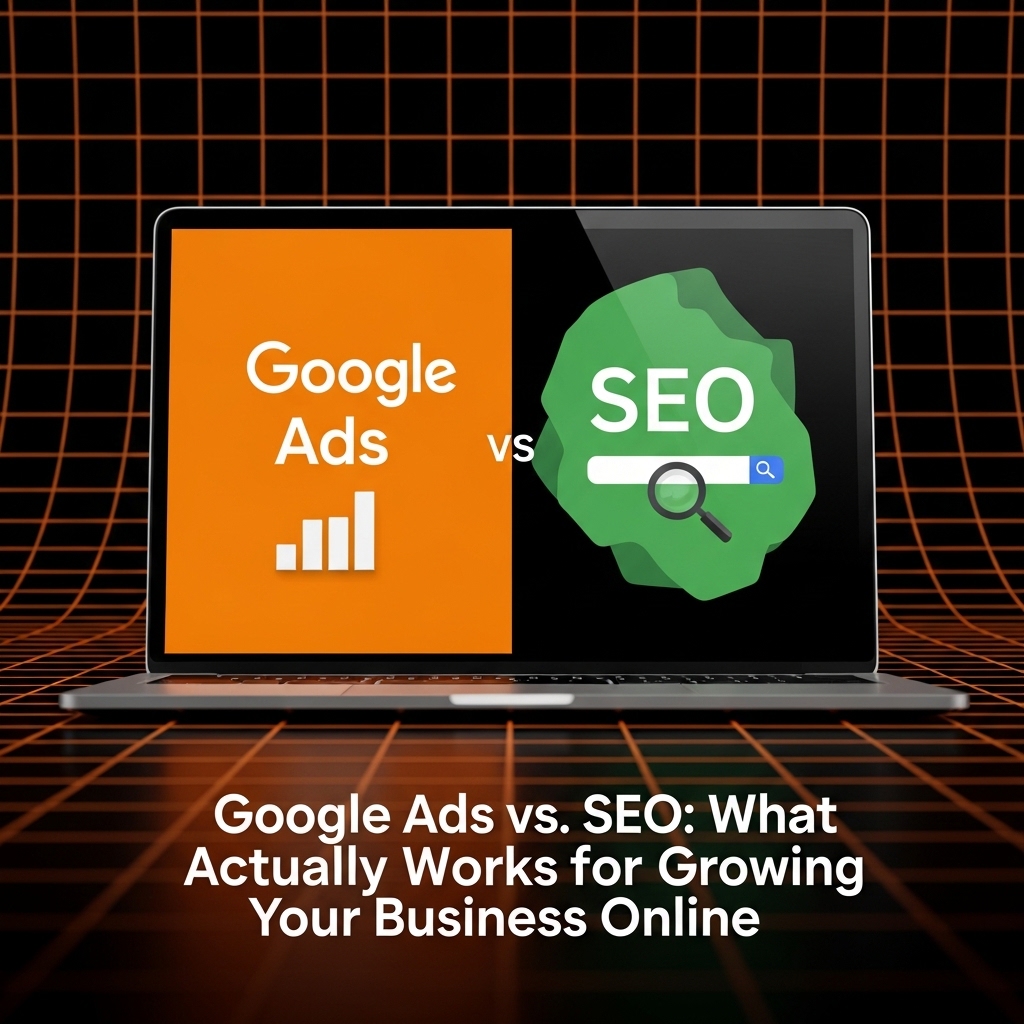
Google Ads vs. SEO: What Actually Works for Growing Your Business Online
Compare PPC ads vs SEO for your business. Learn when to use Google Ads, how SEO works, cost differences, and why organic search builds long-term value. Expert insights from Koford Media.